
Lighting isn’t decoration. It’s direction, mood, architecture, and control—all disguised as photons.
Different environments demand different tools. A fashion runway wants precision. A rave wants controlled chaos. A theater wants emotional control down to the breath.
Let’s break the system down.
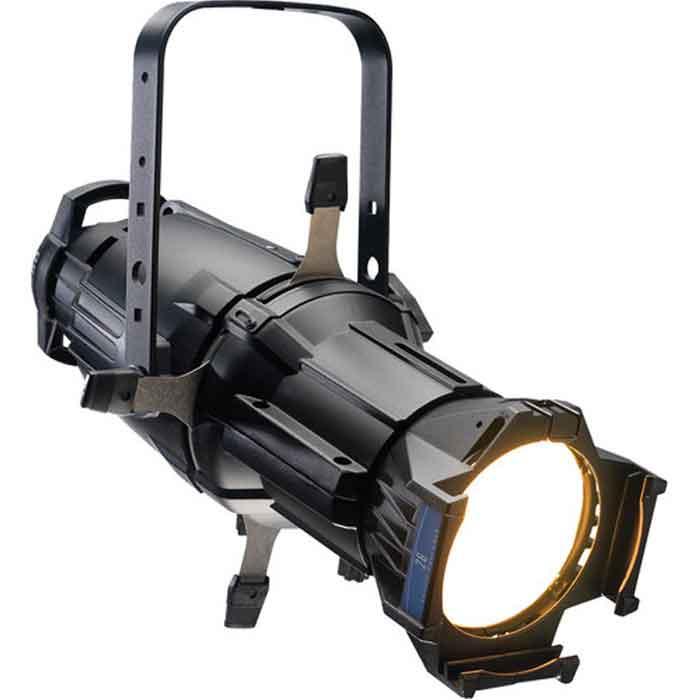
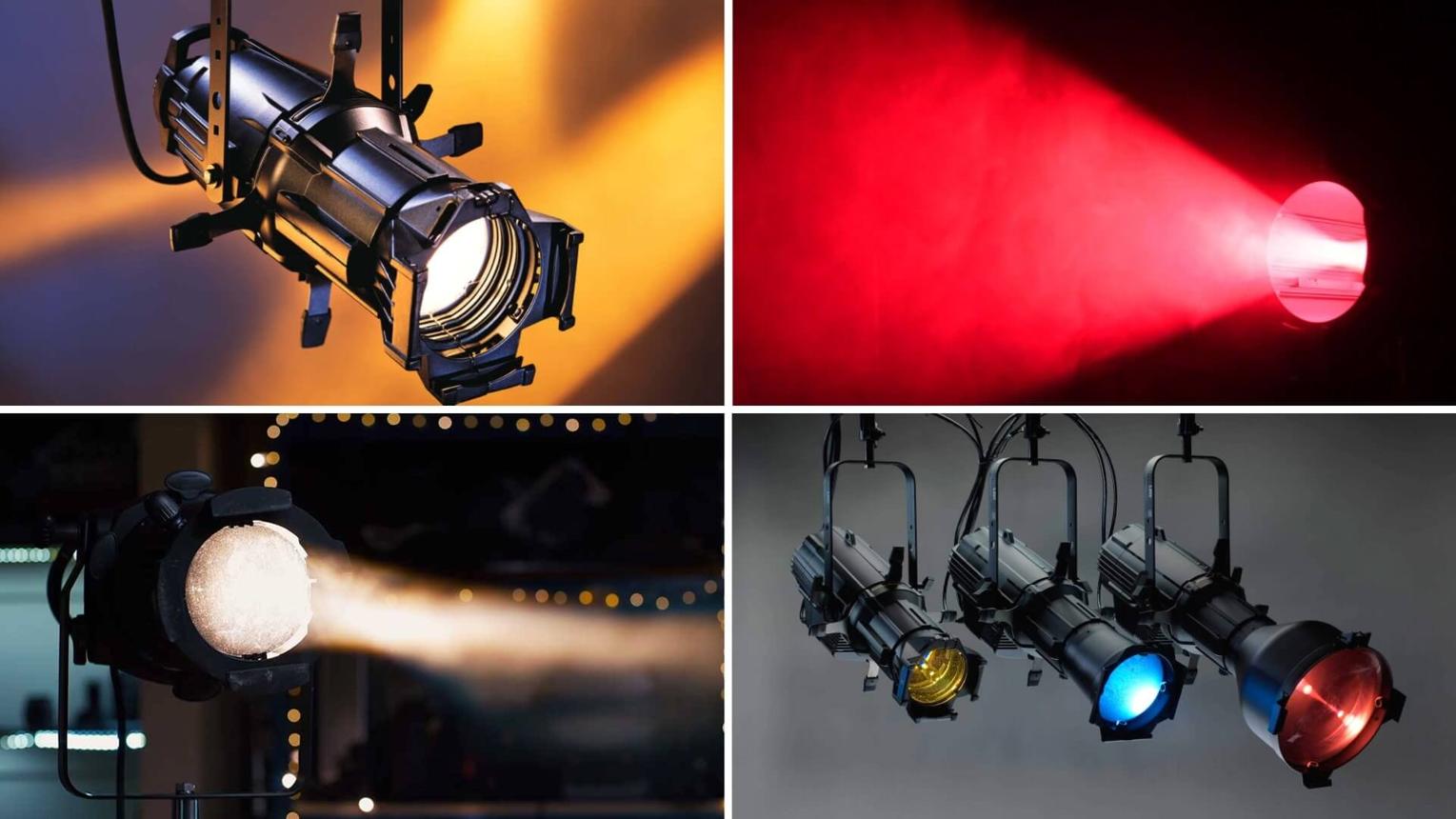
1. Profile / Ellipsoidal Lights (Lekos)
What they do:
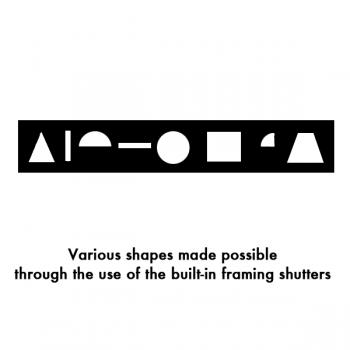
Hard-edged, shapeable light using shutters and gobos.
Why they matter:
They define space with discipline. You decide exactly where light stops.
Best for:
- Theater: Isolating actors and controlling visual focus
- Fashion shows: Clean runway cuts without spill
- Art exhibitions: Highlighting individual works with precision
Vibe: Surgical. Intentional. Controlled.
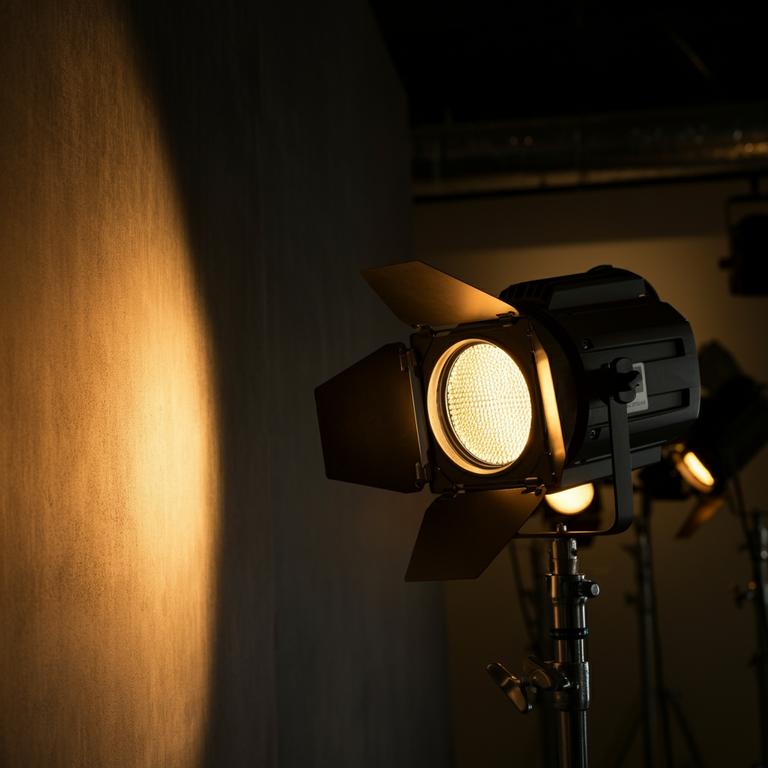
2. Fresnels
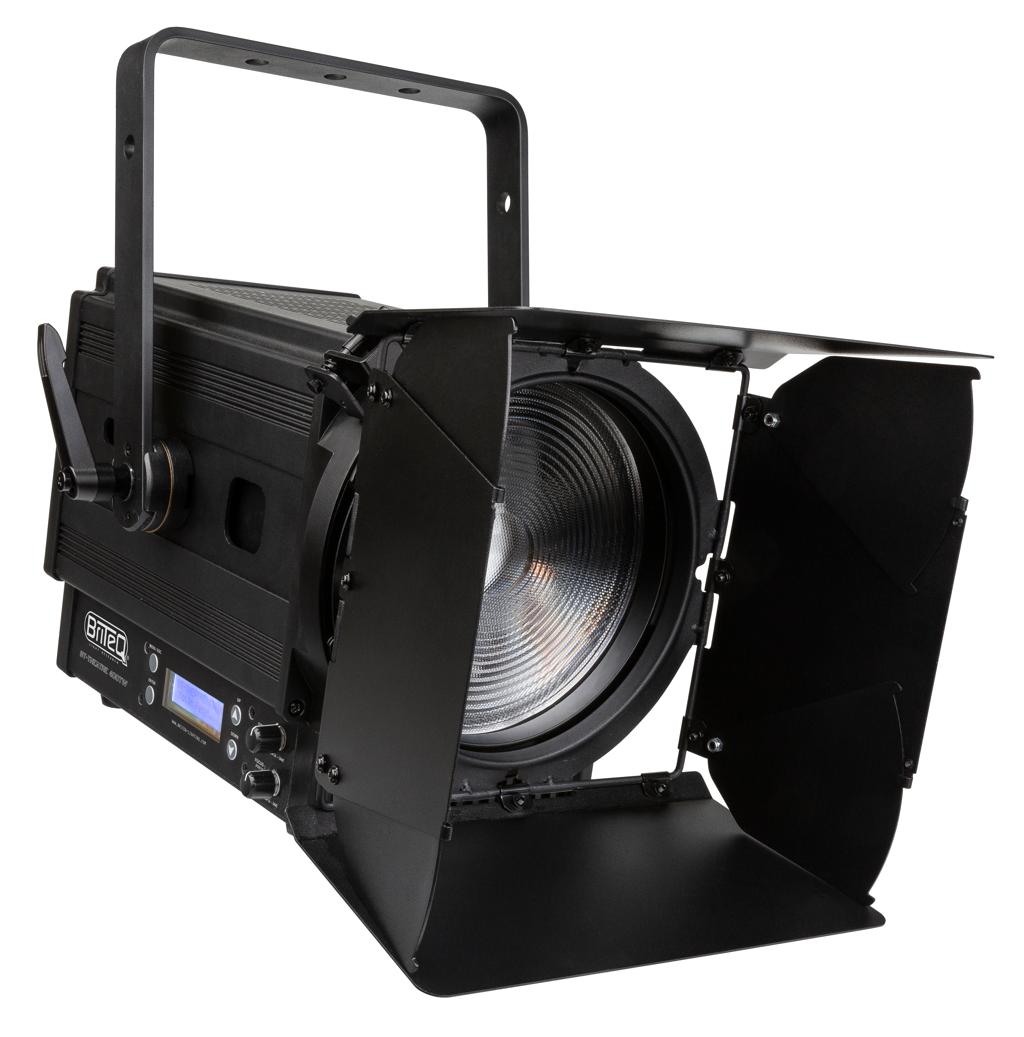
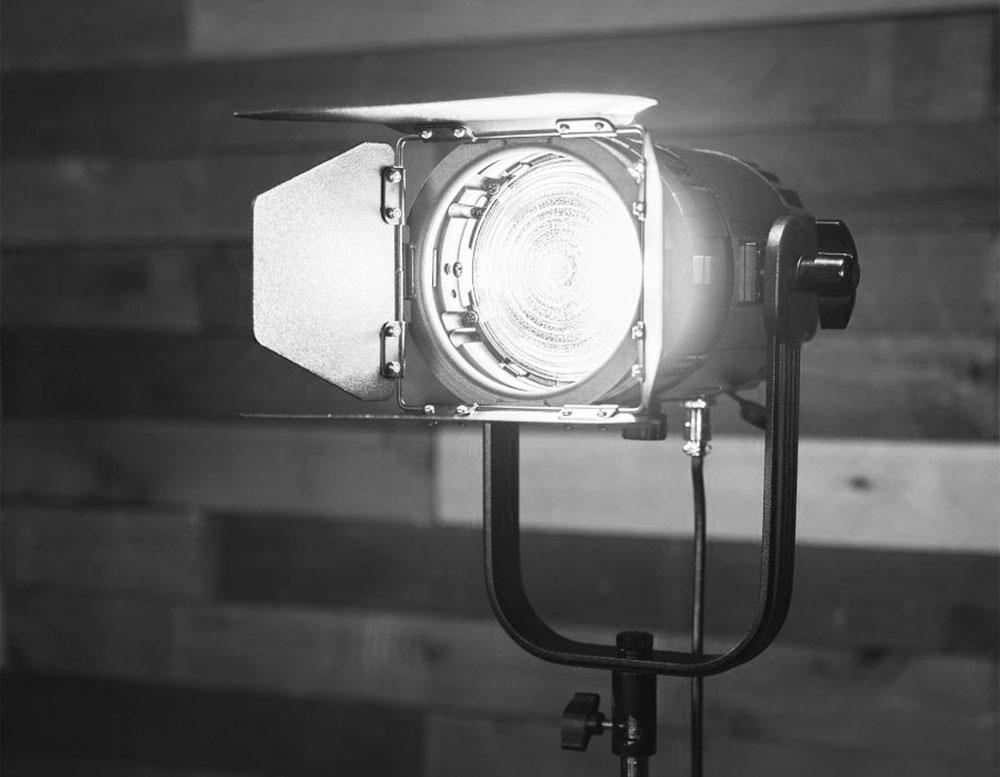
What they do:
Soft, even wash with gentle falloff and blend.
Why they matter:
They smooth everything out. No harsh edges, no distractions.
Best for:
- Theater: Natural skin tones and layered scenes
- Fashion shows: Soft fill and balance
- Art exhibitions: Ambient, non-invasive lighting
Vibe: Subtle. Cinematic. Human.
3. Strobes / Hybrid Punch Fixtures (JDC1, Strike M)
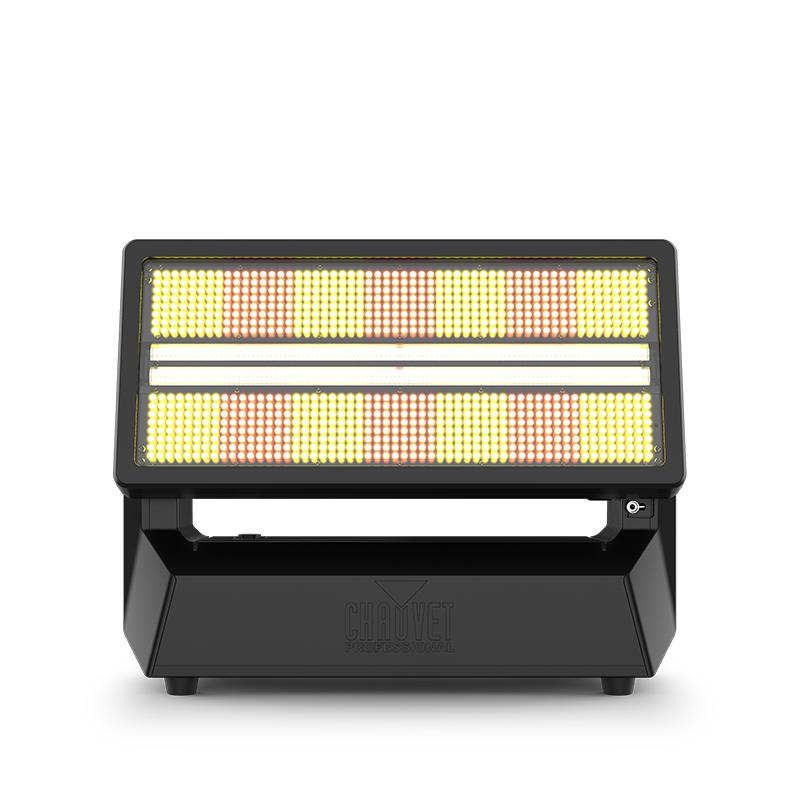
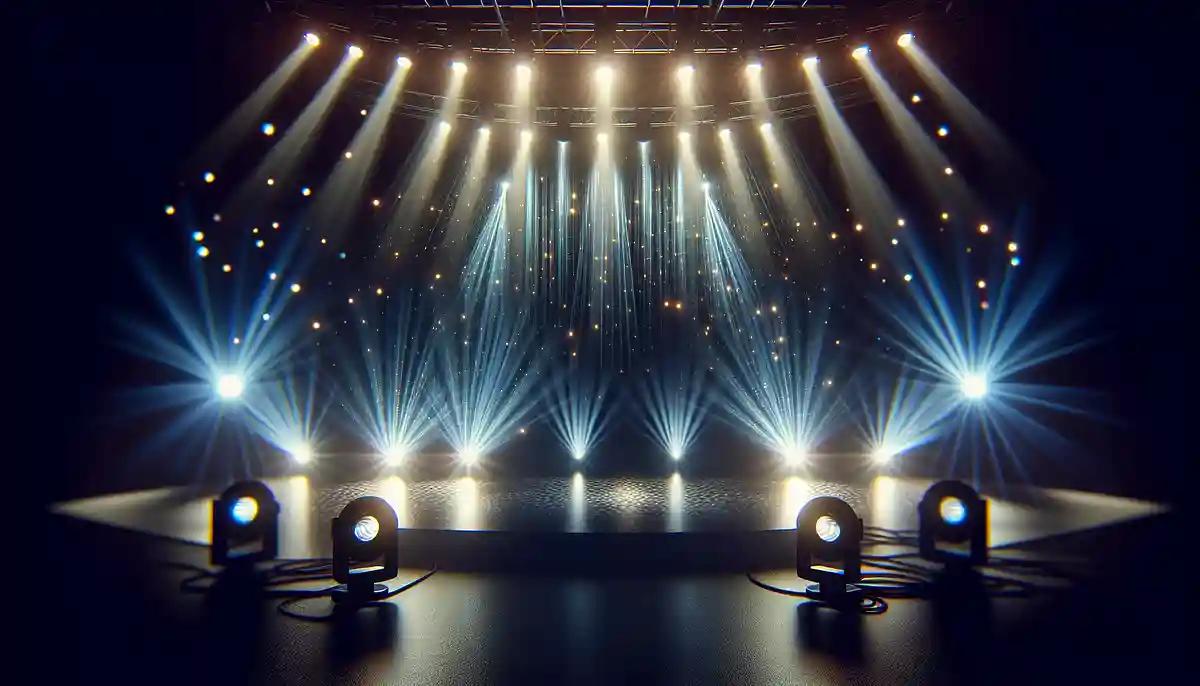
What they do:
High-output bursts, continuous blinder looks, and pixel-mapped effects—all in one fixture.
Why they matter:
Modern strobes aren’t just flash—they’re rhythm instruments. They can hit, glow, chase, and pulse with intent.
Best for:
- Festival stages: Drops, accents, massive visual punctuation
- Raves: Tempo-driven strobe hits and pixel chases
- Fashion shows: Editorial flashes, high-drama moments
Vibe: Impact. Timing. Controlled violence.
4. Moving Head Fixtures (Spots, Washes, Beams)
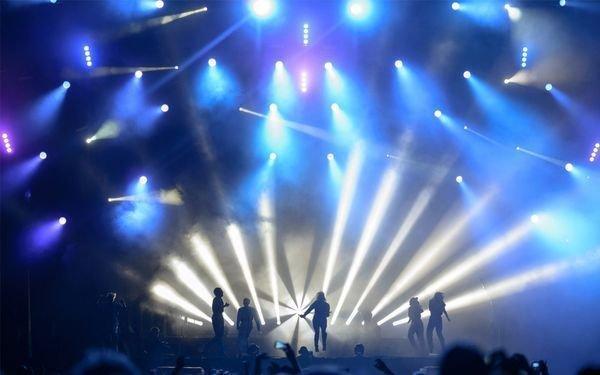
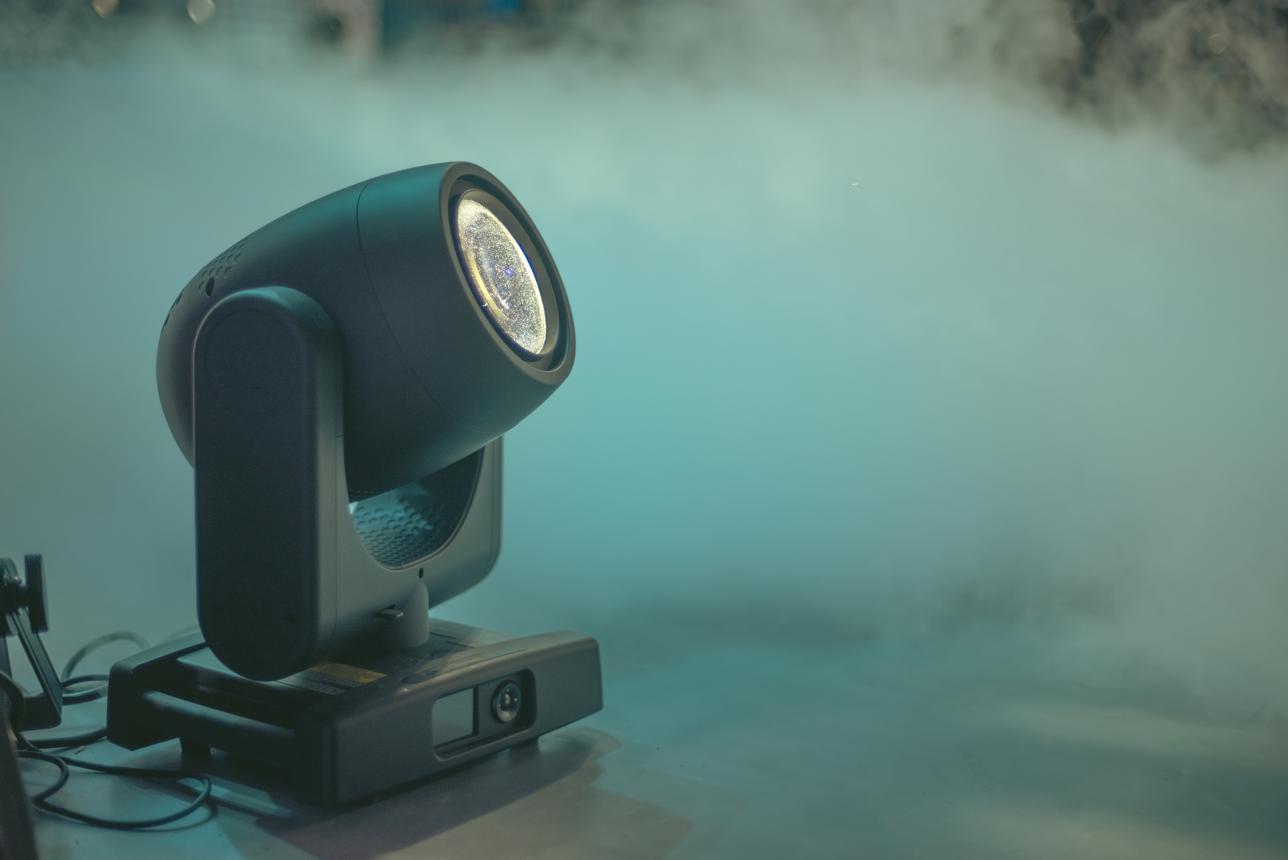
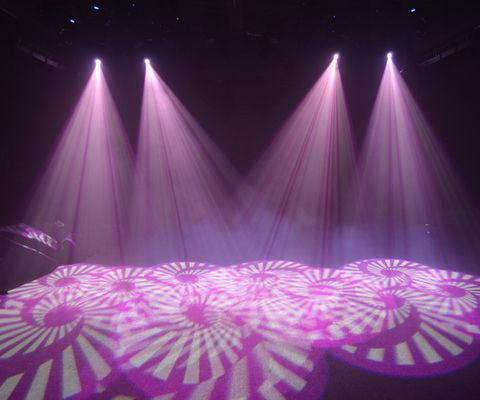
What they do:
Motorized fixtures that move, change color, zoom, and project gobos.
Why they matter:
They turn lighting into choreography. The rig becomes kinetic.
Best for:
- Festival stages: Large-scale movement and spectacle
- Raves: Energy and motion synced to music
- Fashion shows: Transitional looks and dynamic pacing
Vibe: Fluid. Responsive. Alive.
5. Beam Lights
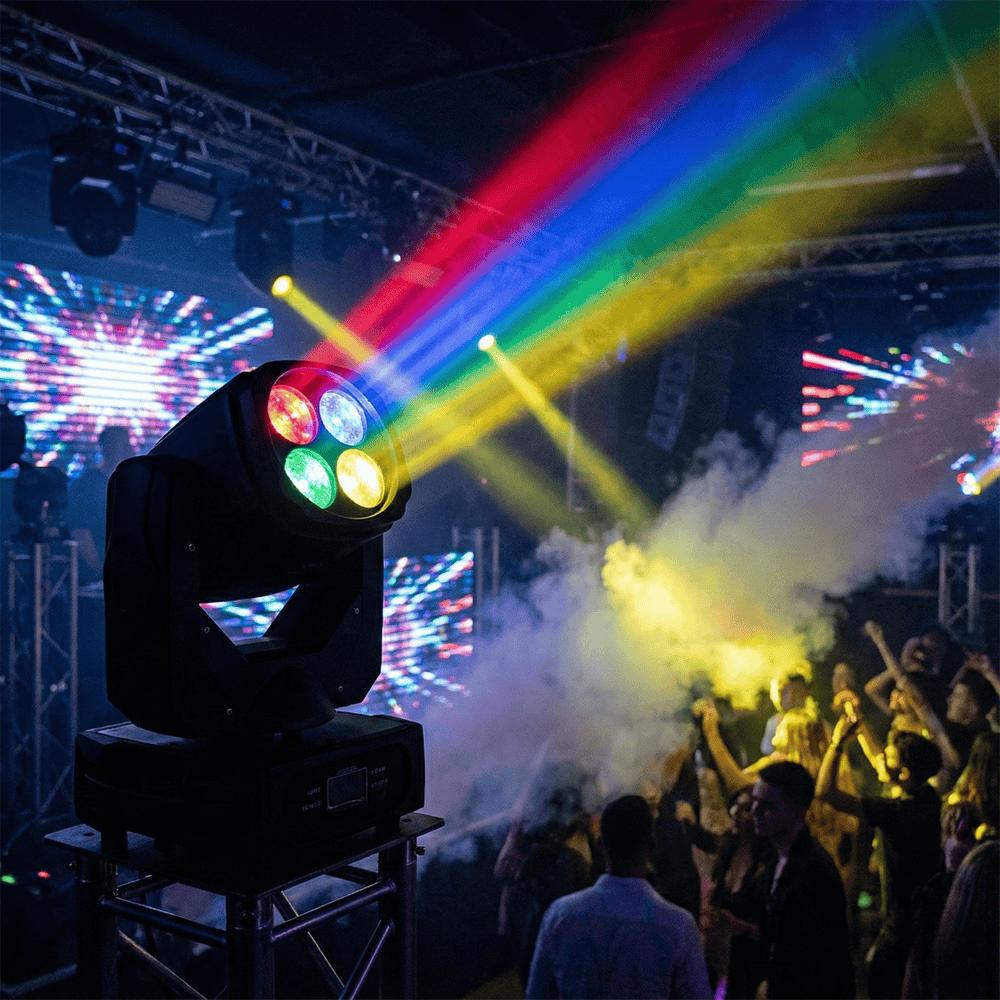
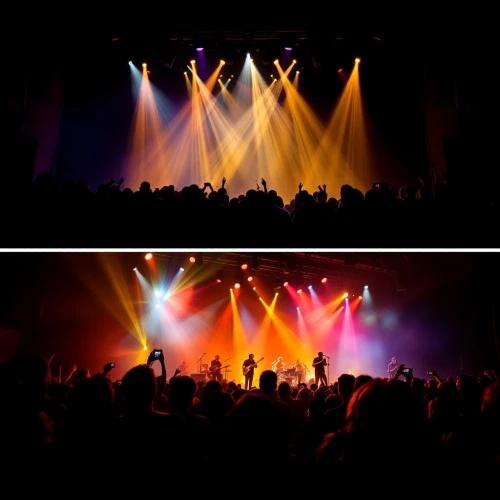
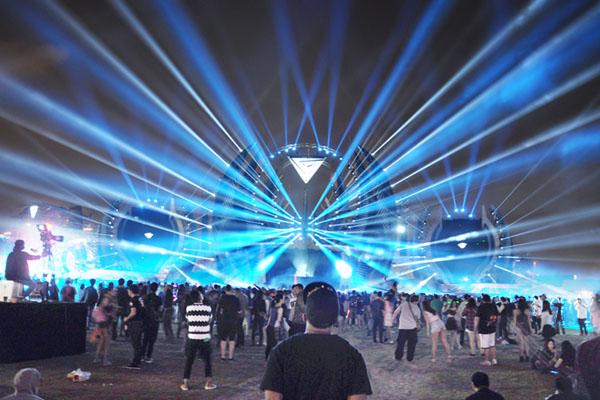
What they do:
Ultra-tight, high-intensity shafts of light.
Why they matter:
They create visible structure in the air—pure geometry.
Best for:
- Raves: Tunnel effects, aerial grids
- Festival stages: Big sky looks and dramatic sweeps
Vibe: Graphic. Aggressive. Architectural.
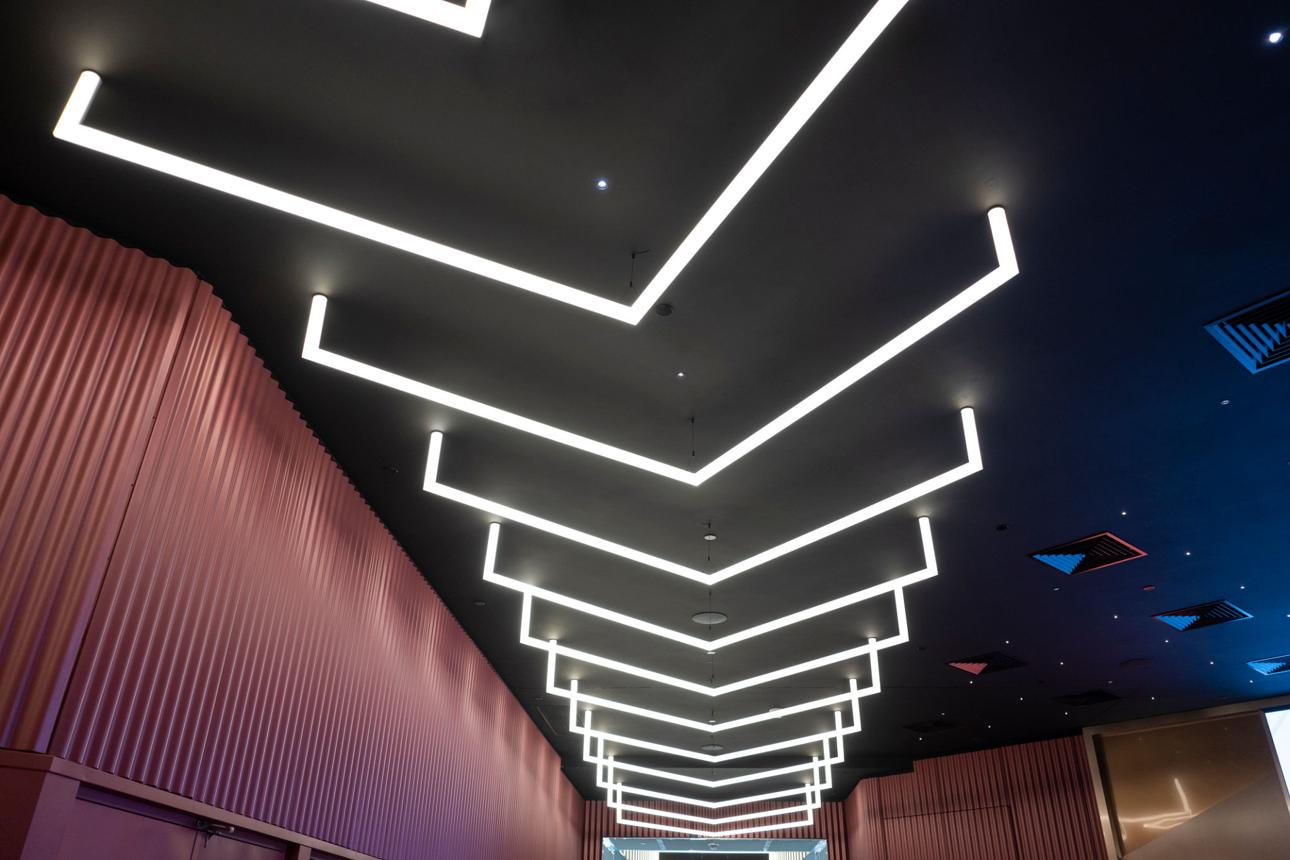
6. LED Strips / Pixel Tubes / Linear Fixtures
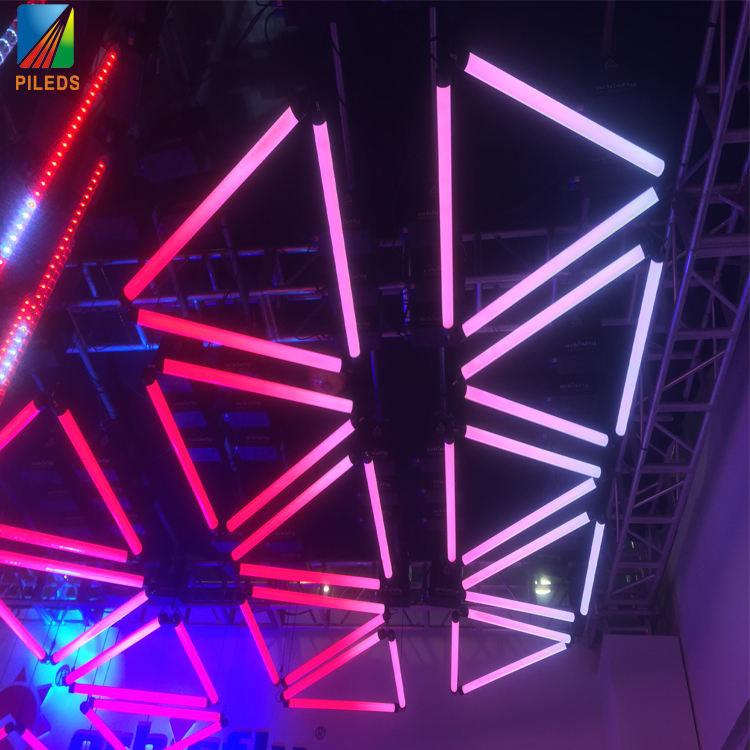
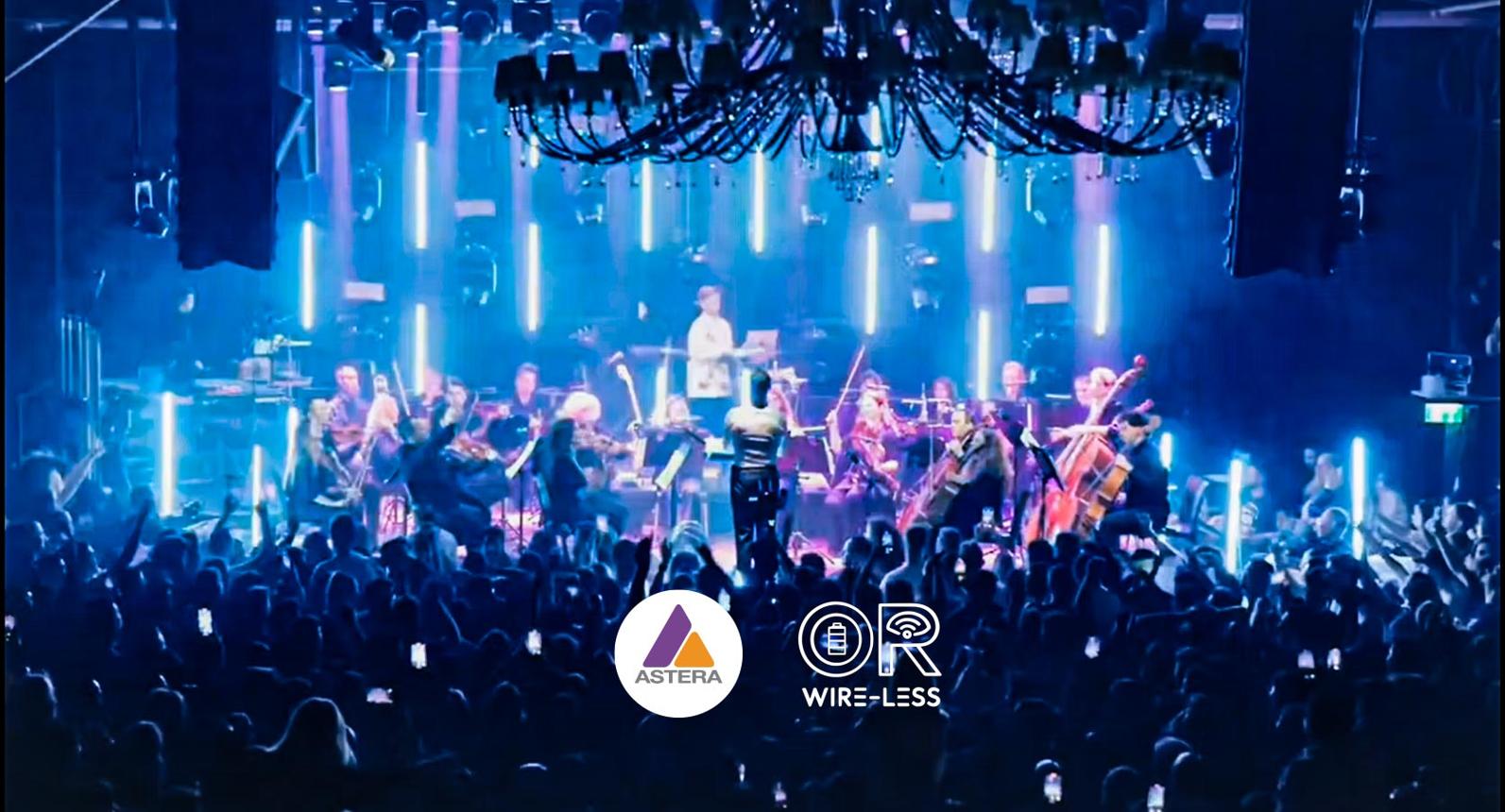
What they do:
Linear light sources with pixel-level control for animation and effects.
Why they matter:
They behave like low-resolution video screens—light as content.
Best for:
- Art exhibitions: Sculptural installations
- Raves: Immersive environments
- Festival stages: Set pieces that animate
Vibe: Digital. System-driven. Immersive.
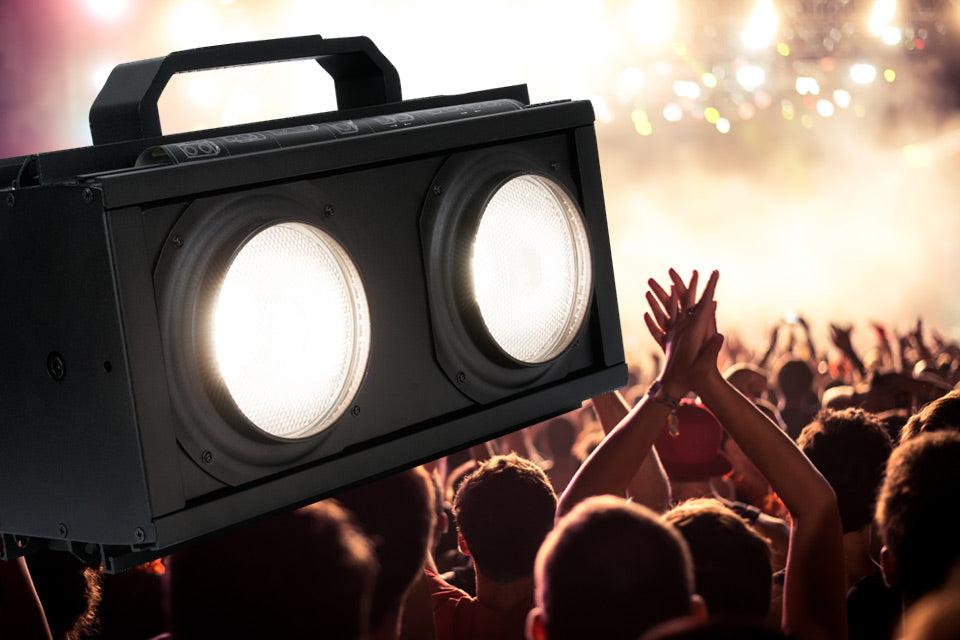
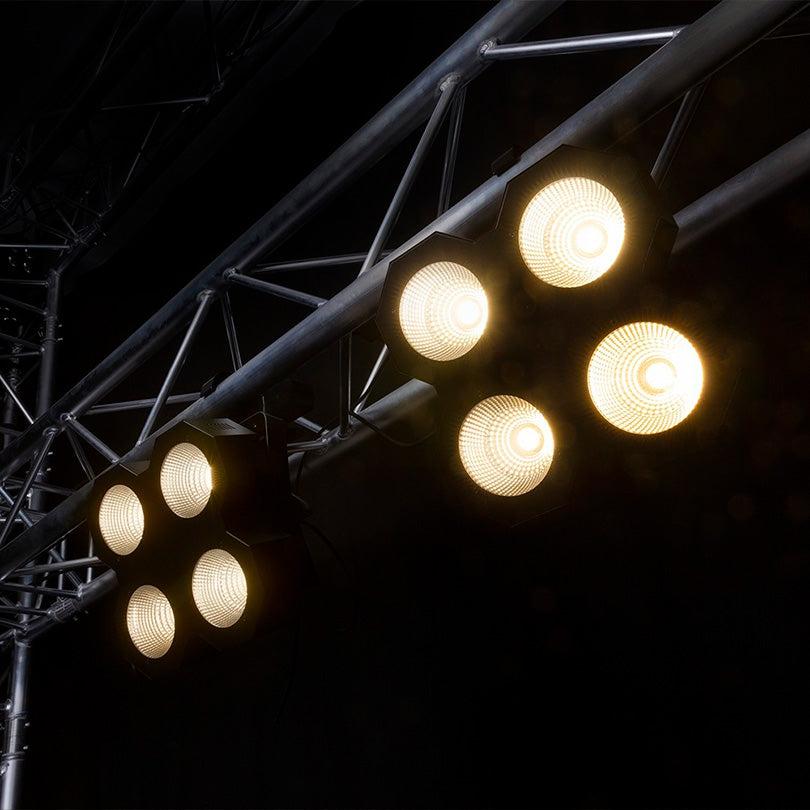
7. Blinders / Audience Lights
What they do:
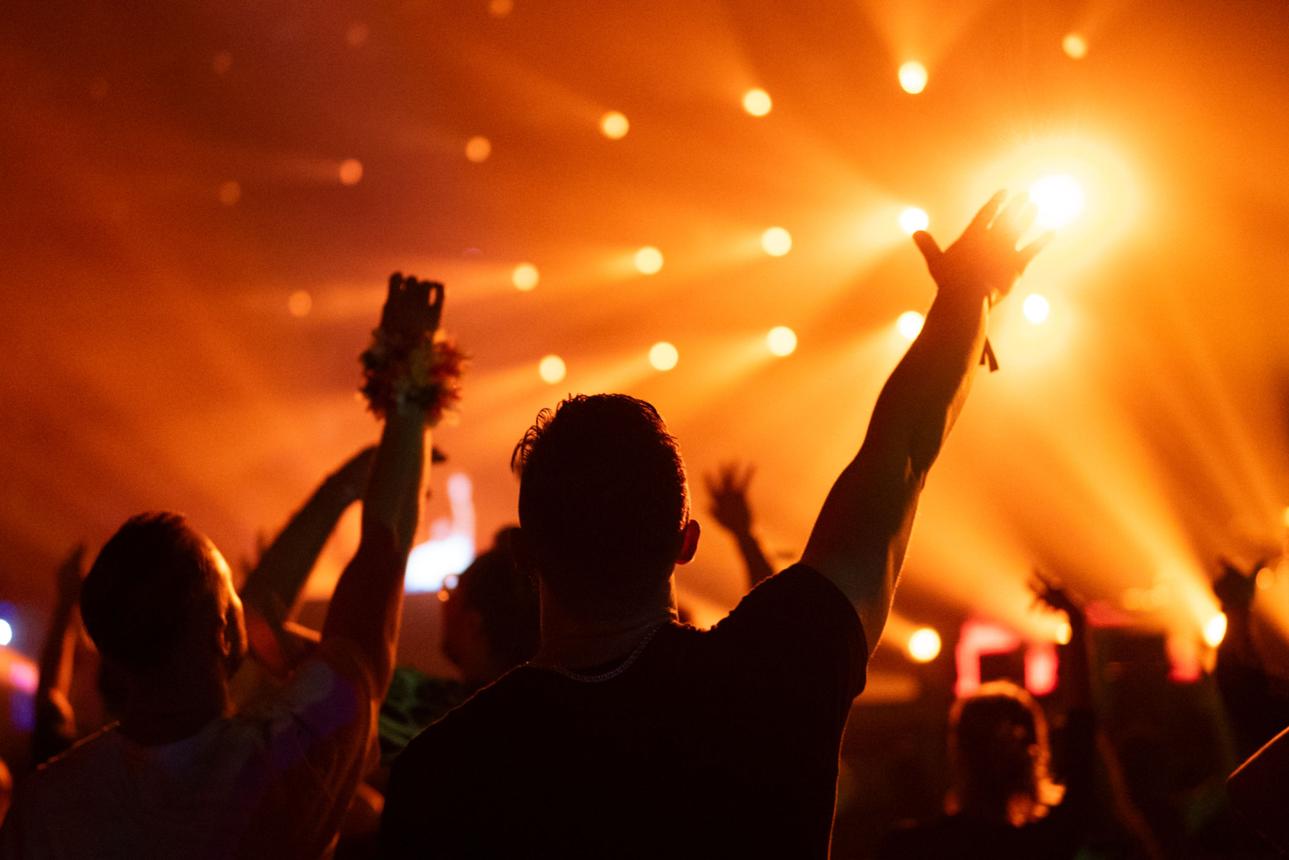
High-intensity light aimed outward—into the audience.
Why they matter:
They collapse the barrier between stage and crowd.
Best for:
- Festival stages: Big drops and shared moments
- Raves: Energy peaks and crowd engagement
Vibe: Release. Connection. Chaos.
8. Followspots
What they do:
Manual tracking lights that follow a subject in real time.
Why they matter:
They guarantee visibility no matter what else is happening.
Best for:
- Theater: Lead actors and solos
- Fashion shows: Key looks on the runway
- Festival stages: Headliners
Vibe: Focus. Precision. Human control.
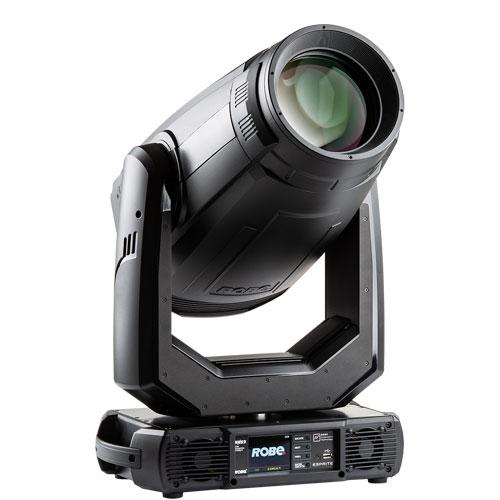
9. Framing Moving Profile Fixtures (The Hybrid Powerhouse)
What they do:
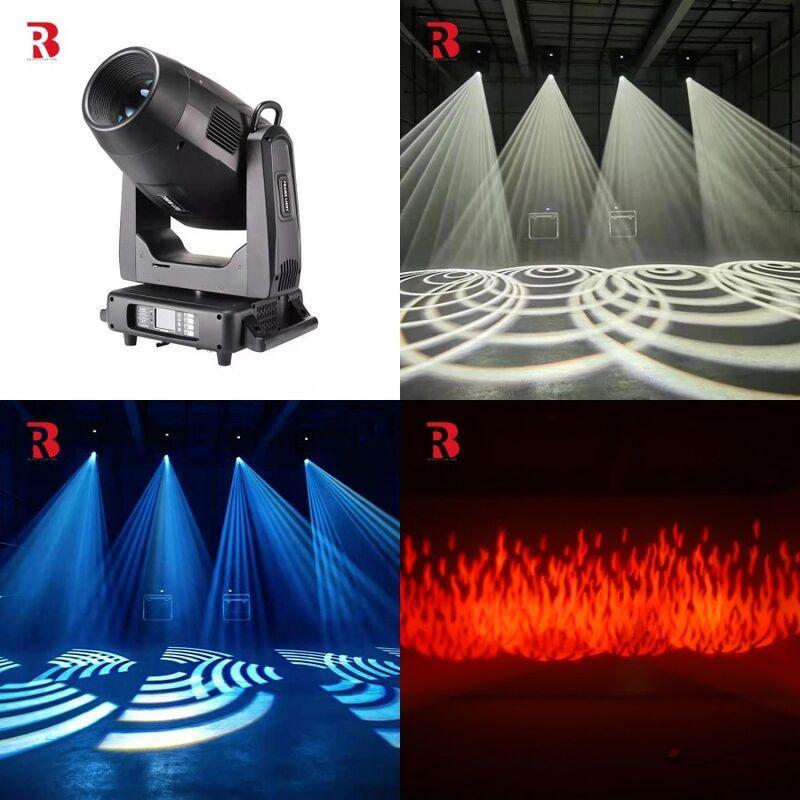
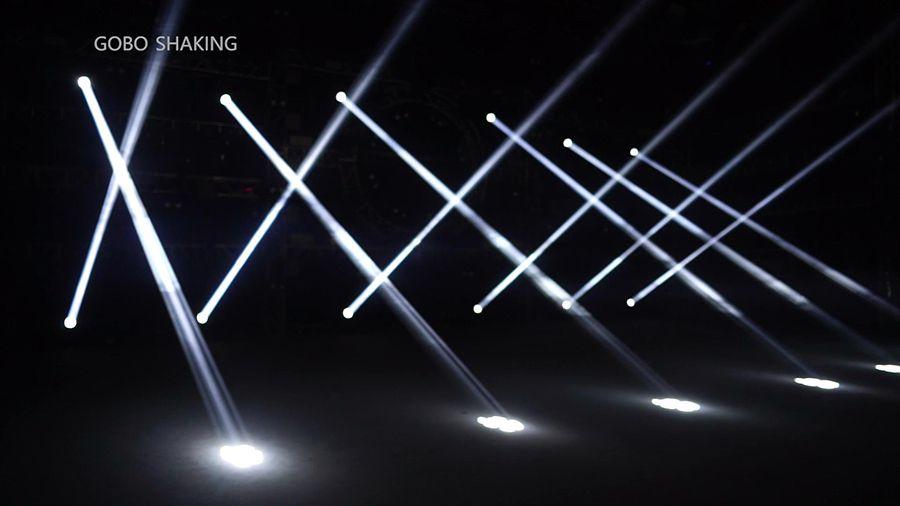
Combine the shutter precision of a Leko with the movement and effects of a moving light.
Why they matter:
This is the modern centerpiece fixture. One unit can:
- Frame and cut like a profile
- Move like a spot
- Texture with gobos
- Zoom, rotate, morph
They replace multiple fixture types when used well.
Best for:
- Fashion shows: Precision + movement in one system
- Theater (modern): Dynamic storytelling without sacrificing control
- Festival stages: High-end rigs where flexibility is everything
- Art installations: Controlled beams that can evolve over time
Vibe: Versatile. Intelligent. Dangerous in the right hands.
Lighting by Environment
Fashion Show
Precision + polish
→ Profiles + Fresnels + framing moving profiles + selective strobes
Festival Stage
Scale + motion + impact
→ Moving heads + beams + strobes + blinders + framing profiles
Theater
Control + storytelling
→ Profiles + Fresnels + followspots + (increasingly) framing moving profiles
Rave / Club
Immersion + energy
→ Beams + moving lights + strobes + pixel tubes
Art Exhibition
Restraint + intention
→ Profiles + Fresnels + linear LEDs + framing profiles
Why This Matters
Fixtures aren’t categories. They’re behaviors.
A strobe doesn’t just flash. It punctuates time.
A profile doesn’t just illuminate. It defines space.
A framing mover doesn’t just move. It adapts.
Good lighting isn’t about having more fixtures.
It’s about choosing the ones that speak the right language for the moment.
And knowing exactly when to let them shout.